Machine Learning for Health
Learning from wearable, physiological, and omics data to model human health.
Medicine observes health through incomplete, noisy measurements: wearables, laboratory tests, imaging, and clinical records. I build models that connect these signals to underlying physiology and stay reliable outside controlled studies, where compliance, device effects, and domain shift dominate. Examples include modeling heart rate and oxygen consumption from consumer wearables, sleep phenotyping in autism, and single-cell perturbation response. The longer-term goal is to determine what evidence about a person is enough, and which additional measurement is worth acquiring.
Selected work
2026
-
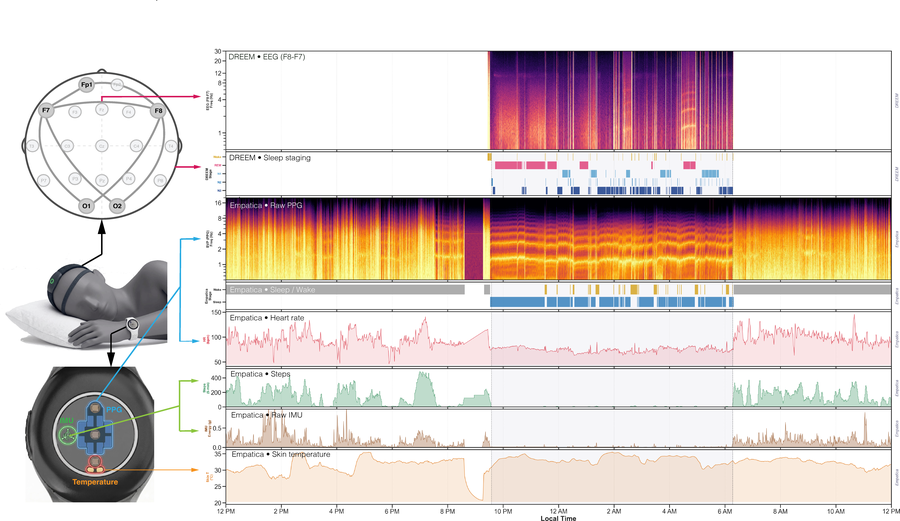 Real-world sleep phenotyping in autism: compliance, domain shift, and scalable wearable biomarkersProc. Machine Learning for Healthcare Conference (MLHC)
 - ICLR WorkshopOn the role of drug representations in single-cell perturbation modelingICLR 2026 Learning Meaningful Representations of Life (LMRL) Workshop

2025
- bioRxivAn Evidence-Grounded Research Assistant for Functional Genomics and Drug Target AssessmentbioRxiv
-
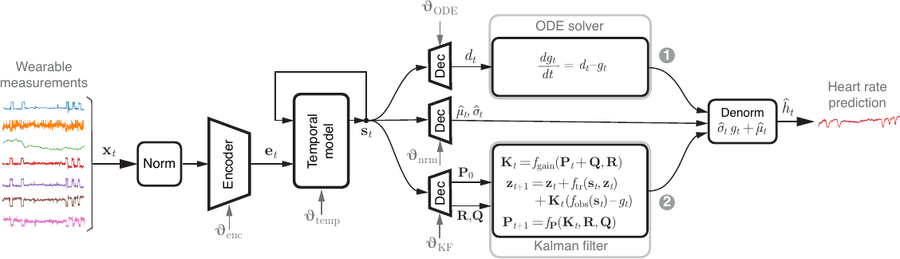 From Lab to Wrist: Bridging Metabolic Monitoring and Consumer Wearables for Heart Rate and Oxygen Consumption ModelingProceedings of the 27th International Conference on Multimodal Interaction
